

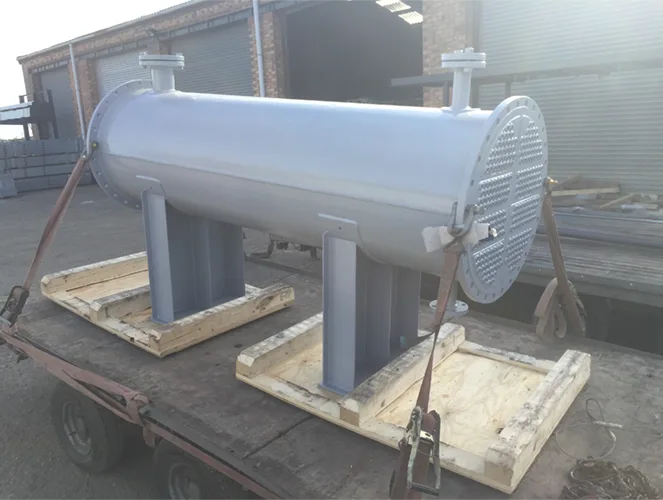
Soda blasting is a versatile, eco-friendly, and efficient cleaning process that is gaining popularity across various industries. This process involves the use of sodium bicarbonate (baking soda) as the blasting medium to remove dirt, paint, rust, and other contaminants from surfaces. Unlike traditional sandblasting, soda blasting is gentler on the material being cleaned, making it ideal for delicate surfaces. In this comprehensive guide, we will dive into what soda blasting is, its benefits, and its various applications, especially for metal fabrication.
What is Soda Blasting?
Soda blasting is a surface preparation technique that utilises sodium bicarbonate particles to remove unwanted substances from surfaces. The process works by blasting the baking soda particles at high pressure onto the surface being cleaned. The gentle nature of the baking soda ensures that it effectively cleans the surface without causing damage, which makes it an excellent option for sensitive materials, such as aluminium, glass, and even wood.
The soda blasting process is a dry blasting technique, meaning that it doesn’t involve water or any chemical agents that could harm the surface or the environment. It is often used in industries where traditional sandblasting may cause abrasion or damage to the materials being cleaned. It’s commonly used in metal fabrication, automotive restoration, surface cleaning, and other industries where precision and care are essential.
How Does Soda Blasting Work?
Soda blasting works by using compressed air to accelerate sodium bicarbonate (baking soda) particles at high speeds. These particles then strike the surface, removing contaminants like paint, rust, grease, or dirt. The key feature of soda blasting is that it is a softer and gentler abrasive compared to other blasting media, such as sand or steel shot.
This method works effectively because sodium bicarbonate is softer than most materials, meaning it will not scratch or damage the underlying surface. The particles break apart upon impact, allowing for a thorough cleaning without causing any lasting damage to the material. Additionally, the process is moisture-free, which prevents rusting or corrosion from forming during the cleaning process.
Advantages of Soda Blasting
There are several advantages to choosing soda blasting for your cleaning or surface preparation needs. Here are some of the main benefits:
1. Gentle on Surfaces
Unlike traditional sandblasting, which uses harsh abrasive materials that can damage the underlying surface, soda blasting uses soft baking soda particles that are gentle and non-abrasive. This makes it suitable for cleaning delicate surfaces without causing any harm. Whether you’re cleaning metal, glass, or painted surfaces, soda blasting helps preserve the integrity of the material being treated.
2. Eco-Friendly
Soda blasting is an environmentally friendly process because the materials used are non-toxic and safe for the environment. Baking soda is a natural, biodegradable compound, so it won’t harm the surrounding environment when used in cleaning applications. Additionally, soda blasting produces less dust and waste compared to other abrasive blasting methods, making it safer for both workers and the environment.
3. Effective on a Wide Range of Materials
Soda blasting can be used on a variety of materials, including metals, plastics, glass, and wood. This versatility makes it ideal for numerous industries, from automotive restoration to metal fabrication. The process is particularly effective for removing contaminants without damaging the base material.
4. Faster and More Efficient
Soda blasting is a faster process compared to traditional cleaning methods like hand scraping or sanding. The use of high-pressure air to propel the baking soda particles ensures quick and thorough cleaning, making it an efficient solution for both small and large projects.
5. No Secondary Waste
Unlike sandblasting, which may generate hazardous waste like lead dust when removing paint or coatings, soda blasting does not produce harmful byproducts. The used baking soda simply dissolves or can be easily swept away, ensuring minimal waste and cleanup time. This makes soda blasting a safer option for a wide range of industries.
6. No Need for Water or Harsh Chemicals
Soda blasting is a dry process, meaning it doesn’t require water or chemicals that can lead to rust or corrosion. This makes it an ideal method for cleaning sensitive materials like metals, where moisture or chemicals could cause lasting damage. It also eliminates the need for expensive cleaning chemicals that may be harmful to both the surface and the environment.

What is Soda Blasting Used For?
Soda blasting has many applications in various industries due to its versatility and efficiency. Below are some of the most common uses of soda blasting:
1. Metal Fabrication and Cleaning
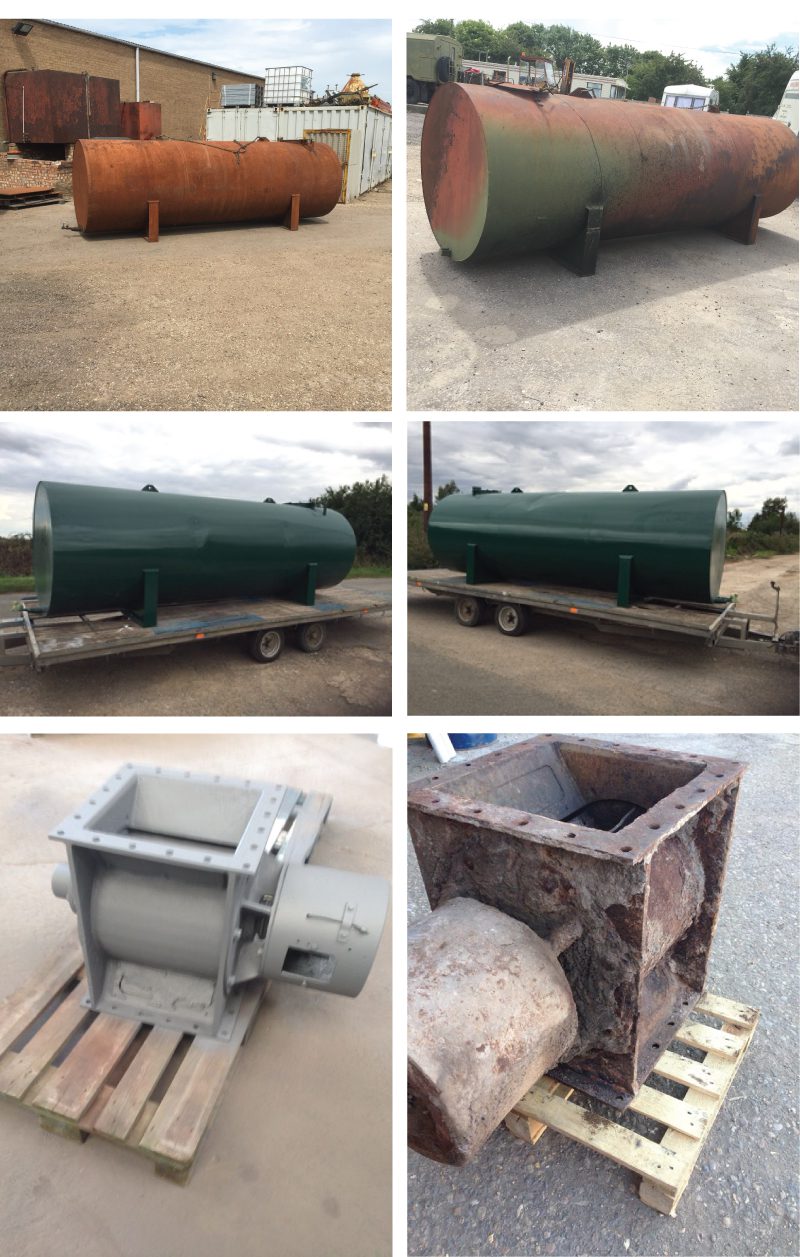
In metal fabrication, soda blasting is used to clean metal surfaces before welding or painting. It is particularly effective in removing rust, oil, grease, and old paint without damaging the metal. Soda blasting prepares metal surfaces for further processing, ensuring that the metal is clean and free from contaminants that could affect the quality of the final product.
At GLW Engineering, for example, soda blasting is used to clean metal surfaces before powder coating, ensuring a smooth and clean surface for the coating to adhere to. It can also be used to remove contaminants from structural steel beams, railings, staircases, and other fabricated metal parts, leaving them in pristine condition.
2. Automotive Restoration
Soda blasting is widely used in automotive restoration projects. The process is effective in removing rust, old paint, grease, and oil from car parts, including engine components, body panels, and wheels, without damaging the underlying metal. This makes it a popular choice for restoring classic cars, as it allows for the removal of contaminants without harming the original metal or delicate details of the vehicle.
3. Graffiti Removal
Soda blasting is an effective method for removing graffiti from walls, buildings, and other surfaces. The gentle nature of the process ensures that the wall or structure remains intact, while the paint or graffiti is efficiently removed. Soda blasting can be used on brick, concrete, and stone surfaces to restore the original appearance of buildings and structures.
4. Restoration of Historic Buildings and Monuments
In the restoration of historic buildings and monuments, soda blasting is used to clean delicate surfaces such as stone, marble, and concrete without causing any damage. The process is ideal for removing layers of dirt, soot, and grime from historic structures, preserving their integrity while restoring their original beauty.
5. Cleaning Machinery and Equipment
Soda blasting is also used to clean machinery, industrial equipment, and tools in manufacturing plants, ensuring that they remain in good working condition. It is particularly effective in removing oil, grease, and carbon build-up from engines, turbines, and other industrial components, extending the lifespan of the equipment.
Conclusion
Soda blasting is an effective, eco-friendly, and versatile cleaning technique that is suitable for a wide range of industries. Whether you’re involved in metal fabrication, automotive restoration, or building maintenance, soda blasting offers numerous advantages over traditional cleaning methods. Its ability to clean surfaces without causing damage, combined with its environmentally friendly properties, makes it an ideal choice for many applications.
At GLW Engineering, we offer soda blasting as part of our suite of steel fabrication services. If you are looking for a reliable and effective method to clean and prepare your metal surfaces for further processing, our soda blasting services in Suffolk and East Anglia can provide the perfect solution. Contact us today to learn more about our services and how we can assist with your next project.