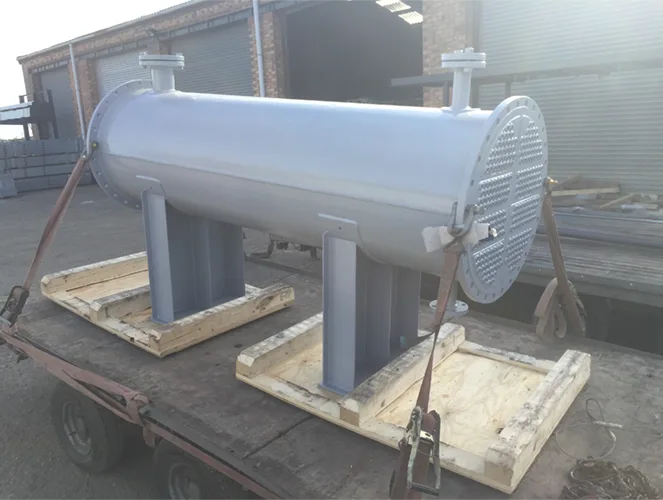

Steel fabrication requires precision, planning, and strong technical control. Even small errors can affect structural integrity, visual quality, or the ease of installation. Whether the project involves structural steelwork, architectural features, bespoke components, or decorative items, avoiding common mistakes ensures a reliable outcome. For builders, engineers, and homeowners, understanding these mistakes helps you recognise quality workmanship and select the right fabricator.
This guide outlines the most frequent steel fabrication mistakes, why they happen, and how to avoid them. Each section explains the issue clearly so you can identify the warning signs early and prevent problems in your own project.
1. Inaccurate Measurements
Measurement errors are one of the most common issues in fabrication. Small inaccuracies create larger problems later on because fabricated steel must fit existing structures exactly. If dimensions are incorrect, installation becomes difficult and can result in safety concerns or expensive rework.
Accurate measurement requires experience and careful verification. A reliable fabricator will review drawings, take site measurements when needed, and confirm all dimensions before cutting or forming steel. This reduces the risk of alignment issues during assembly.
Measurement mistakes often occur due to:
- Rushed surveys
- Poor communication between the client and the fabricator
- Misinterpretation of drawings
- Failing to consider tolerances
2. Poor Welding Practices
Welding mistakes compromise both strength and appearance. Weak welds can crack or fail under pressure, while untidy welds create an unprofessional finish. Quality welding requires skill, correct technique, and the right equipment.
Before reviewing specific welding issues, it is important to recognise that welding is both a structural and aesthetic element of fabrication. A poorly welded joint can weaken the entire structure, particularly in load-bearing items such as staircases, balcony frames, or support beams.
Common welding issues include:
- Lack of penetration
- Excessive spatter
- Weak alignment
- Inconsistent bead appearance
3. Using the Wrong Material for the Project
Selecting the wrong grade or type of steel affects strength, corrosion resistance, and overall durability. Different applications require specific materials, and choosing incorrectly can lead to premature wear, rust, or failure during use.
Before discussing typical material errors, it helps to understand why steel selection matters. Structural items require strong, load-bearing grades, while decorative or outdoor items may need corrosion-resistant materials. Matching the material to the environment ensures long-term performance.
Material mistakes often involve:
- Using non-galvanised steel outdoors
- Choosing thin material for structural use
- Selecting the wrong grade for load-bearing components
4. Skipping Surface Preparation
Surface preparation, like vapour blasting, is essential in fabrication. If the steel is not cleaned or treated correctly before welding, painting, or powder coating, the finish may peel, bubble, or fail prematurely. Surface preparation includes removing rust, oils, scale, and contaminants.
Before listing common preparation issues, it is useful to understand that steel rarely arrives ready for coating. Fabricators must prepare each surface to ensure strong adhesion and long-term protection. Skipping this step leads to early deterioration.
Typical preparation mistakes include:
- Inadequate cleaning
- Failing to remove rust or scale
- Skipping blasting before coating
- Applying finishes to contaminated surfaces
5. Incorrect Cutting or Shaping
Cutting and shaping must be accurate and consistent. Poorly executed cuts affect how the steel fits together, creating alignment problems and weaker joints. This can lead to installation challenges and may compromise strength.
Before reviewing specific errors, it is important to recognise the role of machinery. High-quality fabricators use CNC tools, laser cleaning equipment, or precision saws to maintain accurate cuts. Older or poorly maintained equipment increases the risk of mistakes.
Common cutting and shaping issues include:
- Rough or uneven edges
- Incorrect angles
- Warped material
- Inconsistent profiles
6. Ignoring Tolerances and Fitment Requirements
Steel fabrication often requires tight tolerances. Ignoring these tolerances can result in items that do not align correctly during installation. Even a few millimetres of error may create complications when fitting staircases, gates, railings, or structural components.
Before listing typical tolerance issues, it is important to understand that fabricators must consider both fabrication and installation tolerances. Proper planning prevents the need for on-site adjustments or re-fabrication.
Tolerance mistakes often involve:
- Overlooking required gaps or spacing
- Misjudging material expansion
- Failing to verify alignment during assembly
7. Weak Quality Control Procedures
Quality control ensures that each stage of fabrication meets the required standard. Without proper checks, errors can pass through production unnoticed. These issues become more difficult and expensive to fix later in the process.
Before reviewing examples, it is useful to understand that quality control is not optional. Structural items in particular rely on systematic checks to ensure accuracy, weld integrity, and correct finishing. Fabricators with strong quality processes deliver more consistent results.
Weak quality control often results in:
- Misaligned joints
- Inconsistent weld quality
- Poor finishing
- Items built incorrectly to specification
8. Poor Communication Between Client and Fabricator
Clear communication is essential to avoid mistakes. Misunderstandings about design, materials, deadlines, or installation details can cause major issues during fabrication. Good fabricators ask questions, clarify expectations, and confirm details before production begins.
Before listing communication issues, it is helpful to recognise the importance of accurate information flow. Drawings, sketches, measurements, and specifications must be understood clearly by all parties.
Communication mistakes may include:
- Misinterpreting drawings
- Failing to confirm design changes
- Poor updates during production
- Lack of clarity on installation requirements
9. Rushed Production and Unrealistic Deadlines
Rushed fabrication increases the likelihood of error. Tight deadlines can lead to poor welding, inaccurate cutting, missed inspections, or weak finishing work. It is important to choose a fabricator who sets realistic timelines rather than making promises that cannot be delivered.
Before listing common issues, it is important to consider production capacity. A well-organised workshop plans work effectively and ensures each stage is completed to a high standard.
Rushed production mistakes often include:
- Incomplete finishing work
- Poorly assembled components
- Inaccurate measurements
- Missed quality checks
10. Improper Installation
Even high-quality fabrication can fail if installation is done incorrectly. Poor installation leads to misalignment, loose fixings, and reduced strength. A reliable fabricator usually offers installation services to ensure the project is completed correctly.
Before listing common installation issues, it is helpful to understand that installation involves both technical skill and planning. Fixings, alignments, and on-site adjustments must all be handled carefully.
Typical installation mistakes include:
- Incorrect fixings
- Poor alignment
- Weak anchoring into walls or supports
- Inadequate site preparation
How to Ensure Your Steel Fabrication Project Runs Smoothly
Avoiding common fabrication mistakes requires choosing an experienced fabricator, planning carefully, and ensuring quality control at every stage. By understanding which issues cause delays or structural problems, you can protect your project and achieve dependable results. Strong communication, accurate measurements, correct materials, and professional installation all contribute to a successful outcome.