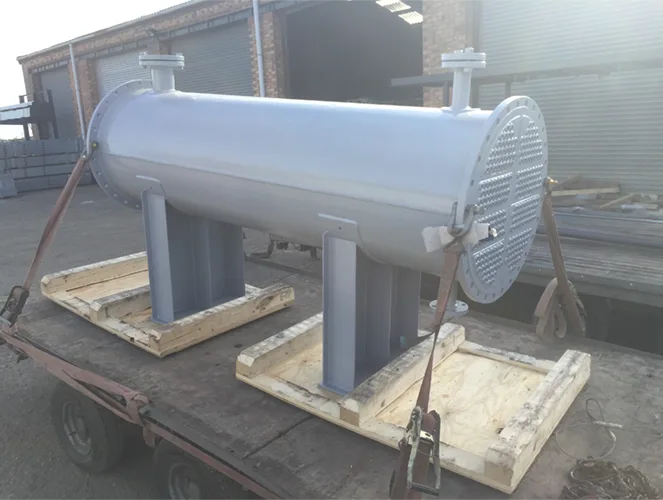

Metal fabrication can involve anything from producing a single bespoke component to manufacturing hundreds of identical parts. Although many of the same cutting, forming, welding and finishing processes may be involved, the way a fabrication project is planned can change considerably as quantities increase.
Understanding the difference between one-off and batch production can help businesses prepare better drawings, make informed design decisions and obtain more accurate prices. Whether you require a unique item or repeat quantities, choosing the right approach to metal fabrication can improve efficiency, consistency and overall project value.
What Is One-Off Metal Fabrication?
One-off fabrication involves manufacturing a single component, structure or assembly to meet a particular requirement. These projects are often highly customised and may be needed where an off-the-shelf product will not fit, perform correctly or meet the required specification. Examples can range from brackets and machine components to gates, staircases and structural metalwork.
Because only one item is being produced, a greater proportion of the project may be spent on measuring, designing, programming machinery, preparing materials and setting up equipment. This is one reason why bespoke metal fabrication should be considered differently from simply purchasing a standard mass-produced component.
What Changes With Batch Fabrication?
Batch fabrication involves manufacturing multiple components of the same or a similar design. This could mean ten parts, hundreds of components or a repeat order manufactured periodically. Once the design and production method have been established, many of the initial setup processes can be used across the entire batch.
This creates opportunities to make production more efficient. Materials can be ordered and cut in larger quantities, machine settings can be retained between components and fabrication can follow a planned sequence. As quantities increase, the fabricator can consider how each operation can be organised to achieve greater repeatability without compromising the finished product.
Why Do Setup Costs Matter?
Every fabrication project involves work before the finished component is produced. Drawings may need reviewing, materials must be sourced, machinery needs setting up and fabrication methods must be planned. For a one-off item, these costs are effectively absorbed by a single component, which can make the individual unit comparatively more expensive.
With a batch order, certain setup costs can be spread across multiple components. This does not necessarily mean that doubling the quantity will halve the unit price, because material, labour and finishing costs still apply to every item. However, production efficiencies can mean that larger quantities achieve a lower cost per component than individual one-off orders.
Design Becomes Even More Important
A problem in the design of a one-off component may affect a single item. When that same design is repeated 100 times, a small issue can quickly become an expensive one. This makes checking dimensions, tolerances, material specifications, hole positions, bends and connection details especially important before batch production begins.
Providing accurate drawings and specifications at the start helps a fabricator establish the most appropriate manufacturing process. If you are preparing to approach a fabricator, understanding the information needed for a fabrication quote can also reduce assumptions, avoid unnecessary revisions and help ensure the proposed price reflects the actual work required.
Consistency and Repeatability Become a Priority
One of the main requirements of batch production is ensuring that component number 100 matches component number one. Jigs, fixtures, machinery settings and defined fabrication sequences can all help maintain consistency when the same item is being manufactured repeatedly.
Quality checks can also be incorporated at appropriate points during production rather than leaving inspection until the entire batch has been completed. Where tolerances or fit are particularly important, producing and approving an initial component before proceeding with the complete quantity can help identify potential issues early.
Finishing Can Affect the Production Process
The required finish should also be considered when planning batch fabrication. Components may need cleaning, preparation, painting, galvanising or powder coating after fabrication. The size, shape and quantity of the components can influence how efficiently these finishing processes can be completed.
Thinking about finishing during the design stage can sometimes prevent unnecessary complications later. Drainage points, hanging positions, enclosed areas and difficult-to-access surfaces may all affect how a component can be prepared or coated. Considering fabrication and finishing as one process can therefore produce a more practical final design.
Should You Order One-Off or in Batches?
The right quantity depends on how the component will be used. A one-off approach makes sense for prototypes, replacement components, specialist structures and genuinely unique requirements. Batch production becomes more attractive when the same parts will be required repeatedly or when a business already knows there is an ongoing demand.
Where future quantities are uncertain, it can be useful to discuss both the immediate requirement and potential repeat orders with the fabricator. GLW Engineering works with customers requiring everything from bespoke individual fabrications to repeat production requirements. If you are planning a project, discussing quantities early can help establish the most practical and cost-effective manufacturing approach.