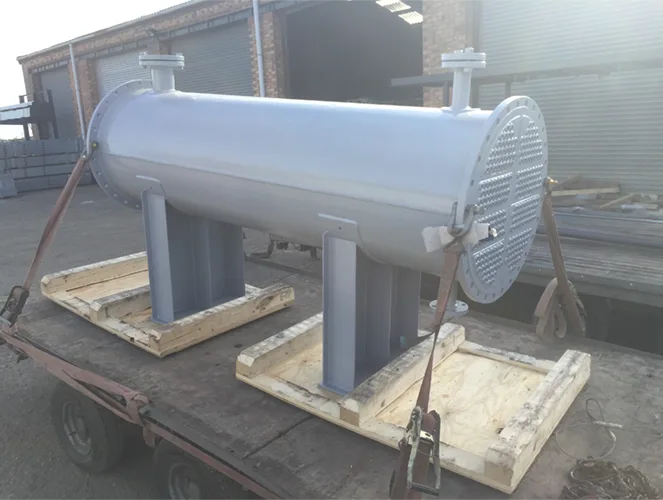

Choosing a steel fabricator is one of the most important decisions in any construction, renovation, or metalwork project. Whether you need structural steel, a staircase, a bespoke gate, a Juliet balcony, or custom architectural metalwork, the quality of the fabricator directly affects safety, durability, and overall appearance. A reliable steel fabricator ensures every component is measured, produced, and installed with accuracy, while a poor choice can lead to delays, unexpected costs, and ongoing maintenance issues.
Understanding what makes a fabricator dependable helps you select a company that delivers consistent results. This guide explains the key factors you should consider, the questions to ask, and how to identify a fabricator who has the right experience, equipment, and capability for your project.
Why Choosing the Right Fabricator Matters
Steel fabrication is a specialist trade that requires technical skill, industry knowledge, and precision. Unlike off-the-shelf products, fabricated steel items are usually made to order, which means accuracy is essential. A reliable fabricator will work from drawings, take exact measurements, and ensure every component fits your space and performs as intended.
This level of accuracy is especially important for safety-critical items. Structural steel framework, staircases and balcony components must be fabricated to strict standards. A fabricator with poor quality control can compromise the performance of the finished item or create issues during installation.
Choosing the right fabricator also saves time. Experienced companies plan their workflow, communicate clearly, and anticipate potential issues early in the process. This avoids delays and reduces the risk of re-fabrication or redesign later on.
1. Assess Their Experience and Capabilities
Experience is one of the strongest indicators of a dependable fabricator. A company with years of industry experience is more likely to understand complex drawings, use advanced machinery, and foresee challenges before they become a problem.
Before selecting a fabricator, spend time reviewing the type of work they have completed in the past. Many fabricators specialise in certain areas such as architectural steelwork, structural frameworks, decorative metalwork, or bespoke fabrication. Understanding their expertise helps you decide whether they are a suitable match for your project.
A skilled fabricator should be able to demonstrate capabilities such as:
- Producing accurate, high-quality metalwork
- Working from technical drawings or taking site measurements
- Handling complex fabrication tasks
- Managing installation safely and efficiently
2. Review Past Projects and Case Studies
A fabricator’s completed projects are one of the best ways to judge their ability. Past work gives you a clear indication of the company’s precision, craftsmanship, and attention to detail. It also helps you understand the types of projects they regularly undertake and whether they have experience with items similar to yours.
Before listing what to look for, it is helpful to recognise that high-quality fabricators usually document their work. This may include photographs, drawings, or descriptions of the design and installation process. Reviewing these examples gives you confidence in their ability to deliver.
When reviewing past projects, look for:
- Consistency in weld quality
- Accurate finishing and clean lines
- Strength and stability in structural items
- Examples of similar work to your project
3. Check Their Workshop Equipment and Production Capacity
The equipment a fabricator uses plays a major role in the accuracy and quality of their work. Well-equipped workshops can handle cutting, forming, drilling, welding, and finishing tasks to a high standard. Older equipment may still be effective, but modern machinery often delivers more consistent results and reduces production time.
Before listing the types of machinery to look for, it is important to consider production capacity. Some workshops specialise in small bespoke items, while others can produce large steel structures. Selecting a fabricator with the right capacity ensures they can complete the work within your required timeframe.
A good workshop should have equipment such as:
- CNC cutting tools or plasma cutters
- Press brakes and rolling machines
- MIG and TIG welding stations
- Drilling and punching equipment
4. Evaluate Their Approach to Quality Control
Quality control is essential in steel fabrication because even small inaccuracies can cause structural or installation issues. A reliable fabricator will have processes in place to check measurements, alignment, welding quality, and finishing standards throughout production.
Before listing the elements of good quality control, it is helpful to understand why it matters. Structural components may not fit correctly if fabricated without care. Decorative items can appear uneven or misaligned if quality checks are skipped. Effective quality control ensures the finished product is strong, safe, and visually consistent.
Quality-driven fabricators will demonstrate:
- Precise measurement checks
- Strong, consistent welds
- Clean and accurate finishing
- Clear documentation of design and production steps
5. Ask About Their Installation Process
Installation is just as important as fabrication. Even perfectly made components will not perform correctly if they are fitted poorly. A fabricator who handles installation ensures the finished item is positioned securely and aligned with the building or surrounding structure.
Before examining what to look for, it is helpful to consider why installation matters. Staircases, balconies, railings, gates, and structural steel all require secure fixing points and safe handling. A reliable fabricator will plan the installation carefully and follow appropriate safety guidance.
A dependable installation service should include:
- Site surveys and accurate measurements
- Safe lifting and fixing techniques
- Secure anchoring into structural walls
- Adjustments to ensure correct alignment
6. Consider Lead Times and Project Management
Lead times vary depending on the size of the project, workshop capacity, and material availability. Choosing a fabricator with realistic and transparent timelines helps you plan effectively and avoid delays.
Before listing what to look for, it is helpful to understand that good fabricators manage their workflow carefully. They communicate clearly, schedule production efficiently, and keep clients updated throughout the process. This level of organisation reduces stress and improves the overall experience.
Look for fabricators who offer:
- Clear estimated lead times
- Regular communication updates
- Ability to coordinate with other trades
- Reliable delivery and installation schedules
7. Check Customer Reviews and Reputation
Customer feedback is one of the most reliable indicators of performance. Consistent positive reviews show that a fabricator delivers strong results, communicates well, and handles projects professionally. Poor reviews can highlight recurring issues such as delays, inaccuracies, or weak workmanship.
Before listing what to check for, it is helpful to evaluate both general reviews and industry-specific feedback. Some fabricators work regularly with builders, architects, or commercial clients who can offer more detailed insights.
When reviewing feedback, look for:
- Comments on accuracy and craftsmanship
- Experiences with installation quality
- Communication and time management
- Reliability and professionalism
How to Make an Informed Choice When Selecting a Fabricator
Choosing the right steel fabricator ensures your project is completed safely, accurately, and within the expected timeframe. By assessing experience, reviewing past work, checking workshop equipment, and evaluating installation capability, you can select a fabricator who delivers dependable results. Careful research gives you confidence that the finished product will meet your expectations and perform well for years to come.