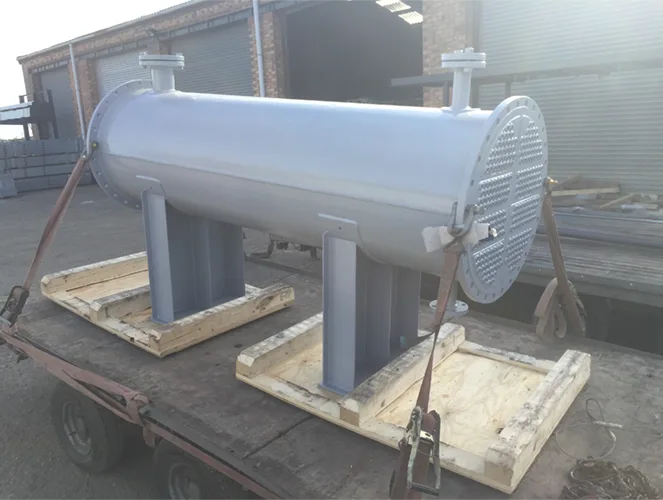

Powder coating is one of the most durable and reliable finishes available for metalwork. It provides excellent protection against weather, corrosion, and everyday wear, while offering a smooth and attractive appearance. From steel gates and railings to architectural features and commercial components, powder coating is used across a wide range of environments because it delivers a long-lasting, consistent finish.
Although many people recognise powder coating as a high-quality finish, the full process is less widely understood. This guide explains exactly how powder coating works, the benefits it offers, and the types of projects where it performs best. It also outlines why businesses and homeowners often choose powder coating over traditional wet paint.
What Is Powder Coating?
Powder coating is a finishing method that uses a dry, electrostatically charged powder to create a protective coating on metal surfaces. Instead of using liquid paint, the powder bonds to the metal during curing, forming a tough, even layer. This makes the coated surface more durable and resistant to damage.
Before the powder is applied, the metal is cleaned and prepared to ensure the coating bonds correctly. This preparation is essential and contributes significantly to the final quality of the coating. After application, the powder-coated item is cured in an oven where the powder melts and forms a solid, continuous layer. This results in a finish that is more resilient than standard paint systems.
Powder coating is widely used in manufacturing, construction, home improvements, automotive work, and commercial fit-outs. It is suitable for both decorative and protective purposes.
How the Powder Coating Process Works
The powder coating process involves several key stages. Each stage contributes to the durability and appearance of the final finish, making it important that the process is carried out correctly. Understanding these steps helps customers see why powder coating outperforms many other finishing methods.
Surface Preparation
Surface preparation is the foundation of any high-quality powder coat. Metal must be free from dust, oils, rust, or old coatings before the powder can be applied. Proper preparation ensures strong adhesion and prevents issues such as peeling, bubbling, or uneven coverage.
Preparation typically involves cleaning or abrasive blasting. Shot blasting or soda blasting may be used to remove surface imperfections and create a clean, consistent texture. This step also improves the surface profile, allowing the powder to bond more effectively during curing.
Powder Application
Once the metal is prepared, the powder is applied using an electrostatic spray gun. This gun charges the powder particles so they cling to the grounded metal surface. Because of the electrostatic reaction, the powder spreads evenly, reducing runs, streaks, or inconsistencies that can occur with wet paint.
The coated metal is then checked carefully to ensure the coverage is even. Any areas that need additional powder can be corrected before the curing phase begins
Curing
After the powder has been applied, the item is placed in a curing oven. The heat causes the powder to melt, flow, and bond to the metal, forming a strong, smooth coating. Curing temperatures and times vary depending on the type of powder, but most coatings require consistent heat to create the final finish.
Once cured, the coated item cools and hardens. The finish is immediately durable and ready for handling or installation.
Benefits of Powder Coating
Powder coating is chosen for its durability, visual consistency, and long-term performance. It offers advantages that make it suitable for both indoor and outdoor use, and it often outperforms liquid paint in demanding environments. Before reviewing the specific advantages, it is important to understand that powder coating is known for its reliability. This reliability comes from its resistance to scratching, fading, and corrosion, which reduces maintenance over time.
Powder coating is also versatile. It can be used on a range of metals, including steel, aluminium, and galvanised components. This makes it suitable for architectural steelwork, decorative items, industrial applications, and domestic projects where a strong, durable finish is needed.
Key benefits include:
- High resistance to chips, scratches, and abrasion
- Excellent corrosion protection
- Smooth and attractive appearance
- Wide choice of colours and textures
- UV stability for outdoor use
- Low maintenance requirements
- Environmentally friendly process
Powder Coating vs Wet Paint
Powder coating is frequently compared with traditional wet paint. Both methods are used to protect and decorate metal surfaces, but their performance and durability differ significantly. Understanding the comparison helps customers select the best finish for their project.
Wet paint is often quicker to apply and is useful for small touch-ups or on-site work. However, it is more vulnerable to chips, peeling, and weather damage. Powder coating, on the other hand, forms a stronger bond during curing, creating a more dependable, long-lasting finish.
This difference is important because powder-coated surfaces often remain in good condition for many years with minimal maintenance. For items exposed to outdoor conditions, high traffic, or mechanical use, powder coating usually offers better value over time.
Powder coating outperforms wet paint in the following areas:
- Durability and wear resistance
- Long-term protection against corrosion
- UV resistance and colour retention
- Resistance to peeling, cracking, or flaking
- Impact resistance in heavy-use settings
Common Applications for Powder Coating
Powder coating is used in countless industries because it combines strength, reliability, and design flexibility. It is suitable for both small components and large structures, making it ideal for domestic, commercial, and industrial work.
In residential settings, powder coating is commonly used on gates, railings, handrails, balcony frames, and garden structures. These items benefit from a durable finish that withstands the elements and maintains a clean appearance.
In commercial and industrial environments, powder coating protects steel staircases, platforms, barriers, machinery guards, and shop fittings. Its resilience makes it a strong choice for environments that require both aesthetics and long-term performance.
Typical applications include:
- Gates and railings
- Balcony frames
- Structural steel components
- Automotive wheels and parts
- Machinery guards and housings
- Fencing panels
- Architectural features
Why Powder Coating Performs Well in Outdoor Environments
Outdoor metalwork requires a finish that can withstand constant exposure to weather, moisture, and temperature changes. Powder coating delivers strong performance in these conditions because of its resistance to fading, rust, and impact damage. The curing process creates a solid, bonded coating that remains stable even under harsh weather.
This makes powder coating a suitable choice for homes, commercial buildings, industrial sites, and public spaces. It provides both longevity and visual consistency, helping structures and metal components maintain their appearance and strength for extended periods.
How Powder Coating Supports Long-Term Value
Powder coating offers a dependable finish that supports long-term value for homeowners and businesses. Its strength, consistent appearance, and protective qualities make it suitable for a wide range of metal items. By choosing powder coating, you benefit from a finish that reduces maintenance, performs reliably outdoors, and provides a high-quality appearance.
Understanding how the process works, the stages involved, and the advantages it offers helps you choose the right finishing method for your metalwork. Powder coating remains one of the most effective and versatile options for both decorative and functional steelwork.