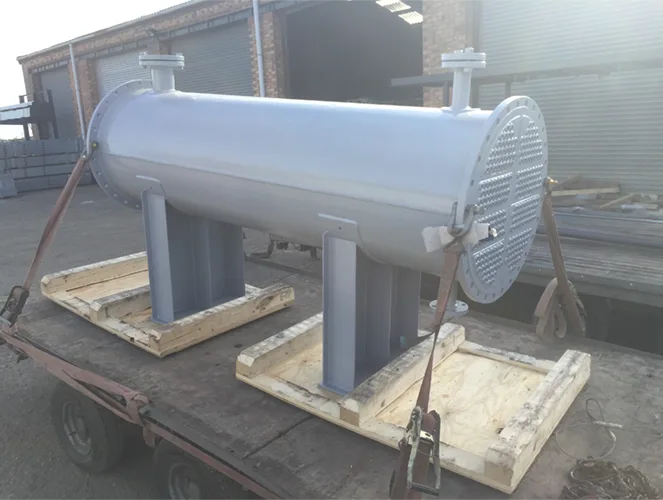

Steel fabrication and welding are often mentioned together, and many people assume they are the same trade. Although the two skills are closely connected, they serve different purposes and require different techniques, tools, and levels of planning. Understanding the distinction helps homeowners, builders, and businesses choose the right service for their project and avoid unnecessary delays or purchase errors.
Fabrication focuses on turning raw steel into a complete structure or product. Welding, on the other hand, is one part of the fabrication process and involves joining steel components together. While some welders specialise purely in welding, most fabricators use welding as one of several skills in a wider workflow. This guide explains each process, how they differ, what equipment is used, and when your project needs a fabricator, a welder, or both.
What Is Steel Fabrication?
Steel fabrication refers to the complete process of designing, cutting, shaping, assembling, and finishing steel components. It involves multiple technical steps that turn basic steel stock, such as sheets, tubes, plates, or beams, into a fully assembled item.
Before looking at specific tasks, it is useful to understand the planning involved. Fabrication requires accurate measurements, detailed drawings, and engineering knowledge to ensure the finished item performs correctly. This may include load calculations, safety considerations, or precise alignment with existing structures. As such, fabrication is usually carried out by trained professionals who understand the demands of structural and architectural projects.
Steel fabrication typically includes:
- Cutting and shaping steel
- Forming, bending, and rolling
- Welding and assembly
- Surface preparation and metal finishing
- Installation on-site
What Is Welding?
Welding is the process of joining two or more pieces of metal using heat, pressure, or filler material. The goal is to produce a secure, long-lasting bond strong enough to withstand the loads or conditions the item will face.
Welding does not involve design, cutting, shaping, or finishing. Instead, it focuses entirely on the joint that holds the steel components together. Welders must understand how different metals behave under heat, how to avoid contamination, and how to produce a neat, consistent finish that provides structural stability.
Welding work varies widely. Some welders specialise in repairs, while others operate within industrial settings or assist fabricators with assembly work. In many cases, welders work from plans created by a fabricator or engineer.
Common welding methods include:
- MIG welding
- TIG welding
- MMA / stick welding
- Flux-cored welding
Key Differences Between Steel Fabrication and Welding
Although fabrication and welding overlap, they differ in purpose, scope, and skill sets. The following comparison highlights the most important distinctions.
1. Scope of Work
Fabrication covers the entire process of turning steel into a finished product. This involves design review, material selection, cutting, forming, assembly, and finishing. Welding plays a role within this process but does not cover all of these areas.
Fabricators often manage projects from concept to installation, meaning they coordinate the full workflow. Welders usually focus on completing the required joins and ensuring they meet specified standards. Welding is essential to fabrication, but fabrication goes far beyond welding alone.
- Tools and Equipment
Fabricators use a wide range of machinery to shape and prepare steel. These tools support detailed metalworking processes and allow the creation of bespoke components. Welders require specialised equipment that produces heat or pressure to fuse metals together.
The types of tools involved usually include:
- Cutting equipment (laser cutters, saws, guillotines)
- Forming machinery (rollers, press brakes)
- Welding machines
- Grinding and finishing tools
- Training and Skills
Fabricators must understand engineering drawings, interpret measurements, and carry out structural and architectural tasks. Their role is multi-skilled and requires knowledge of cutting, forming, welding, and finishing.
Welders focus on mastering individual welding techniques and understanding how different metals behave under heat. Their training centres on joint strength, weld appearance, and safety precautions.
Both trades require technical ability, but fabrication covers a broader range of disciplines.
- Purpose and Output
The goal of fabrication is to produce a complete product such as a staircase, platform, balcony, gate, beam, or steel frame. The end result is a finished, usable item ready for installation.
Welding produces strong joints that hold components together but does not create a finished product on its own. A welder may repair broken metalwork, join replacement parts, or assist in the assembly phase of fabrication.
Which One Do You Need for Your Project?
Choosing between a fabricator and a welder depends on the stage, complexity, and requirements of your project. Understanding the differences helps you avoid hiring the wrong specialist and ensures your steelwork is delivered correctly.
Most structural or architectural projects require fabrication rather than welding alone. If you need a steel staircase, balcony, railing, frame, or support system, a fabricator is the right choice because they manage the full process. Welders, however, are ideal for repairs, reinforcement work, or joining pre-cut parts that only require assembly.
To help clarify, here are typical examples of when each service is used. Before listing the details, it is useful to understand that many projects require both trades. Fabricators often carry out welding as part of the build, while welders may assist in assembly or repair work. The distinction mainly lies in the overall responsibility for the finished product.
You may need a fabricator when your project involves:
- A complete, custom-made steel item
- Cutting, shaping, and forming metal
- Structural components or architectural steel
- Design coordination and installation
- Finishing such as powder coating or protective treatments
You may need a welder when your project involves:
- Repairing broken steel parts
- Reinforcing existing structures
- Joining pre-cut pieces of steel
- On-site welding only
- Fixing cracks, breaks, or loose joints
Why These Differences Matter for Safety and Performance
Understanding the distinction between fabrication and welding is essential because the two services carry different responsibilities. A fabrication project must follow correct measurements, comply with design expectations, and meet any structural requirements. This ensures the final product is safe, strong, and suitable for its intended use.
Welding quality affects structural integrity. Poor welds can weaken a structure, cause premature wear, or create hazards. As a result, welders must follow strict guidelines to ensure their work meets the required standard.
When these services work together, the results are reliable and long lasting. Fabricators produce precisely shaped components, and skilled welders ensure the joins are secure. This combination supports safe installation and long-term performance.
Choosing the Right Specialist for Your Steelwork
Selecting the correct specialist ensures your project runs smoothly and achieves the outcome you expect. If the work involves a complete product, choose a fabricator. If the steel is already cut and only needs joining or repair, a welder is suitable.
Fabricators deliver full project management, including design, manufacturing, and installation. Welders provide detailed joining work that supports structural strength. Both skills are valuable, but they serve different purposes. When in doubt, a fabricator can usually advise which service fits your project.
How Understanding Both Trades Helps You Plan Better
Knowing the difference between steel fabrication and welding helps you choose the right expert, manage your project efficiently, and avoid delays. Fabricators handle design, shaping, assembly, and finishing, while welders ensure strong, safe joins. Both skills contribute to reliable steelwork, but each plays a distinct role.
By understanding how these two trades work together, you can make better decisions for your home improvement, commercial build, or industrial project.