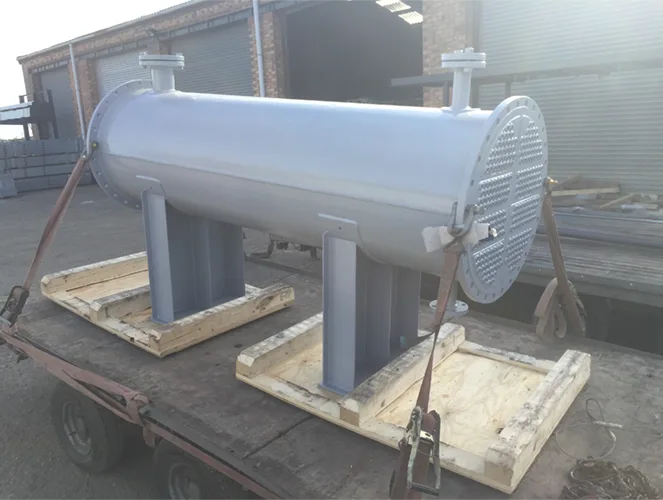

Structural steel and fabricated steel are commonly used in construction, engineering, and architectural projects, but they serve different roles. Structural steel refers to standardised steel sections used to support loads in buildings and infrastructure. Fabricated steel, on the other hand, is custom-made steelwork that is designed, cut, shaped, welded, and assembled for a specific purpose.
Although the two terms are often used together, understanding the difference helps builders, architects, and homeowners choose the right product for their project. Each type of steel has its own strengths, applications, and manufacturing processes. This guide explains how they differ, how each one is used, and the advantages of both depending on the requirements of the build.
What Is Structural Steel?
Structural steel refers to steel sections manufactured to precise standards for use in load-bearing applications. These sections are produced in large quantities, and their shapes and sizes follow specific guidelines to ensure strength and consistency across the construction industry. Structural steel is used to create frameworks for buildings, bridges, industrial units, extensions, and mezzanines.
Before exploring fabricated steel, it is important to understand that structural steel is designed to carry loads safely. It must be strong, dependable, and predictable in performance. This makes it suitable for creating the skeleton of a building where accuracy and uniformity are essential.
Common structural steel sections include:
- RSJs (rolled steel joists)
- Universal beams (UBs)
- Universal columns (UCs)
- Channels
- Angles
- Hollow sections (CHS, SHS, RHS)
What Is Fabricated Steel?
Fabricated steel refers to custom-built steel components that are formed, welded, cut, and assembled to create a finished product. Unlike structural steel, which is pre-manufactured in standard sizes, fabricated steel is made to order based on drawings, measurements, or bespoke designs.
Before looking at how fabricated steel differs from structural steel, it is useful to note that fabrication is a skilled process. It involves cutting, drilling, shaping, forming, and welding steel into a specific configuration. These components may include staircases, gates, Juliet balconies, steel frames, walkways, machine guards, and decorative metalwork.
Fabricated steel can be made from structural steel sections, sheet steel, or other metal formats. It is the process of turning raw steel into a finished product that defines fabrication.
Fabricated steel is typically used for:
- Staircases and railings
- Juliet balconies
- Gates and fencing
- Platforms and walkways
- Bespoke architectural features
- Frames and supports
Key Differences Between Structural and Fabricated Steel
Although both types of steel are essential, they differ in function, manufacturing methods, and levels of customisation. Structural steel provides standard shapes used in building frameworks, while fabricated steel transforms those shapes into functional components.
Before comparing specific differences, it is important to recognise that both types of steel often work together on the same project. Structural steel forms the load-bearing skeleton, and fabricated steel provides the detailed elements that complete the structure.
Major differences include:
- Structural steel is standardised; fabricated steel is custom-made
- Structural steel is load-bearing; fabricated steel may be functional or decorative
- Structural steel is produced in factories; fabricated steel is created in workshops
- Fabrication involves multiple processes; structural steel is supplied ready-formed
Manufacturing Process Differences
The way structural steel and fabricated steel are produced varies significantly. Structural steel is created through large-scale rolling processes, while fabricated steel undergoes detailed, project-specific work.
Before reviewing each process, it is helpful to consider how manufacturing scale influences cost and availability. Structural steel is mass-produced, which lowers cost and ensures consistency. Fabricated steel involves labour and craftsmanship, increasing its value for bespoke items.
Structural Steel Manufacturing
Structural steel sections are produced by rolling heated steel into precise shapes. This industrial process uses large-scale machinery to form beams, columns, and channels that meet strict British Standards specifications. The shapes are produced in long lengths and delivered to fabrication workshops or construction sites for further use.
Fabricated Steel Manufacturing
Fabricated steel goes through several workshop processes, including:
- Cutting
- Drilling
- Welding
- Forming
- Assembly
- Finishing (such as powder coating)
Each component is made to exact measurements. This allows fabricated steel to be designed for specific layouts, architectural features, or functional requirements.
Applications: When to Use Each Type
Each type of steel plays a specific role in construction and metalwork projects. Understanding these roles helps you determine which one is needed for your build.
Before listing the applications, it is important to consider that many structures rely on a combination of both. For example, a house extension may use structural steel beams and columns alongside fabricated steel railings or staircases.
When Structural Steel Is Used
Structural steel is suitable for:
- Load-bearing beams and supports
- Columns for multi-storey buildings
- Structural frames for extensions
- Industrial units and warehouses
- Platforms and mezzanine floors
Its primary purpose is strength and stability.
When Fabricated Steel Is Used
Fabricated steel is suitable for:
- Staircases and handrails
- Juliet balconies
- Custom gates and railings
- Support brackets
- Architectural detailing
- Bespoke frames or enclosures
Its primary purpose is customisation and fit.
Strength and Performance Comparison
Structural steel is designed for strength above all else. Its load-bearing capacity makes it essential for frameworks, heavy supports, and long-span beams. Fabricated steel can also be strong, but its strength depends on how it is assembled, welded, and designed.
Before comparing performance, it is helpful to understand that fabrication quality plays a major role in strength. A fabricated component made from structural steel sections will still perform reliably if the welding and assembly are carried out correctly.
General strength differences include:
- Structural steel offers predictable, uniform strength
- Fabricated steel strength depends on welding and design
- Structural steel carries major loads; fabricated steel supports functional layouts
Cost Differences Between Structural and Fabricated Steel
Structural steel is generally more cost-effective because it is mass-produced. Fabricated steel costs more due to labour, design work, and customisation. However, both types offer value depending on the project’s needs.
Before reviewing pricing considerations, it is helpful to recognise that fabrication cost varies based on complexity. Simple steel frames may be cheaper to fabricate than detailed architectural work or intricate staircases.
Cost considerations include:
- Structural steel is cheaper per metre
- Fabricated steel includes labour and finishing costs
- Complex designs increase fabrication time
How to Decide Which Type of Steel Your Project Needs
Choosing the right type of steel depends on whether you need standard load-bearing support or custom-made components shaped to your requirements. Structural steel provides strength and reliability for frameworks, while fabricated steel offers flexibility for architectural, functional, and bespoke elements. Most projects use a combination of both, ensuring the structure is solid while the final components fit perfectly and look the way you want.