
Metal components and steelwork are often exposed to moisture and changing weather conditions throughout their working life. Over time, these factors can lead to corrosion, surface damage or wear that affects both appearance and performance. Replacing the entire component is not always necessary, particularly when the underlying material remains structurally sound.
Metal spraying provides a way to protect or restore the surface without replacing the original item. It is used across engineering, manufacturing, construction and other industrial settings, both to improve corrosion resistance and to rebuild worn surfaces. Understanding how the process works can help determine when it is an appropriate treatment.
What Is Metal Spraying?
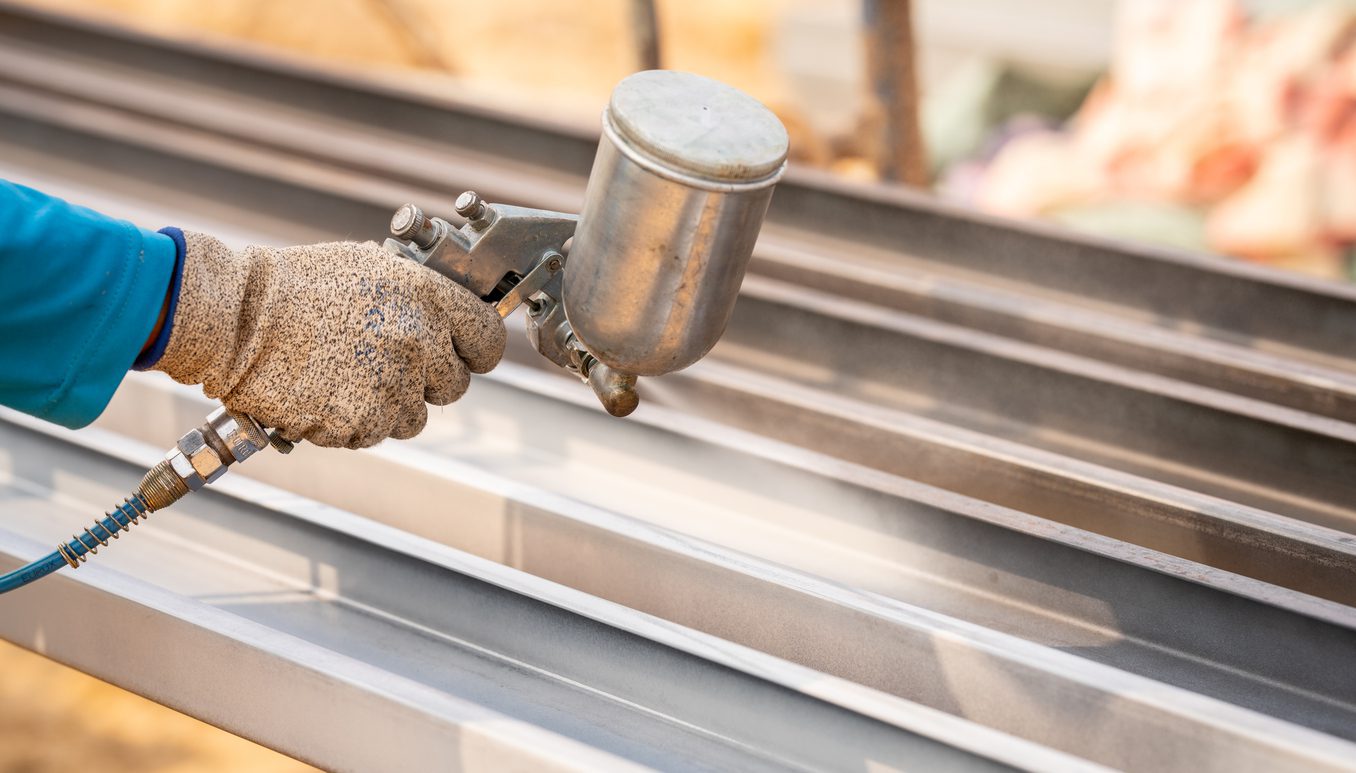
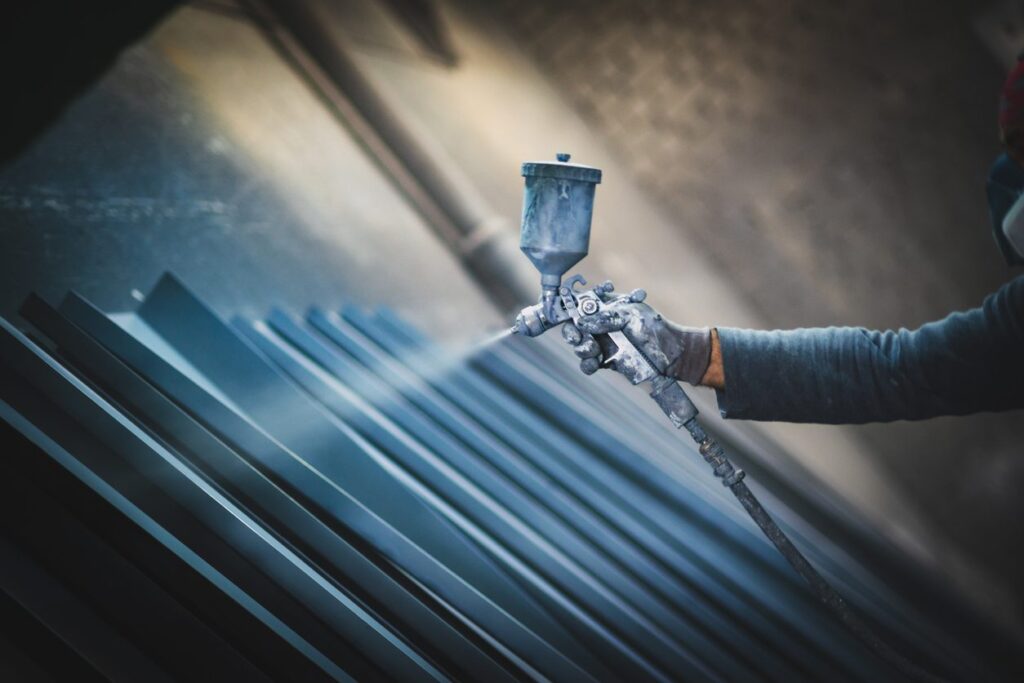
Metal spraying is a surface treatment in which molten metal or another coating material is sprayed onto a prepared component. It forms part of a wider group of processes known as thermal spraying. As the sprayed particles reach the surface, they flatten, cool and build up into a continuous protective coating. GLW Engineering provides dedicated metal spraying services for structural steel, engineering components and industrial equipment.
Unlike processes that substantially alter the original component, metal spraying concentrates on the surface. This means the underlying material can retain its existing properties while gaining additional protection or having worn areas rebuilt. The thickness and material of the coating can be selected according to what the finished component needs to achieve.
How Does the Metal Spraying Process Work?
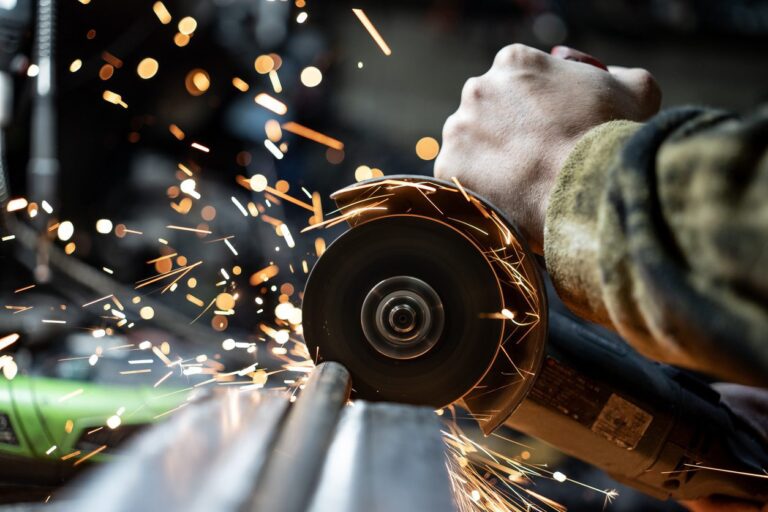
Surface preparation comes first. Dirt, corrosion, coatings and other contaminants need to be removed so that the sprayed material can bond properly. Abrasive preparation also creates a suitable surface profile for the new coating. For this reason, shot blasting is often an important stage before metal spraying begins.
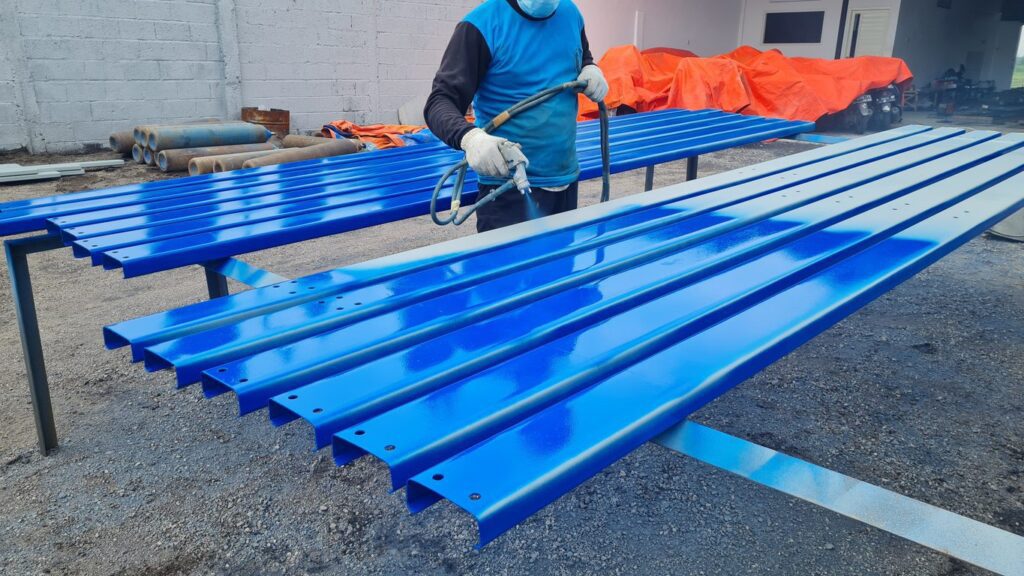
Once prepared, the chosen coating material is melted and directed towards the component using specialist spraying equipment. The particles cool rapidly when they reach the surface and gradually build the required coating thickness. Different thermal spraying methods can use different heat sources and materials depending on the application and the level of protection required.
When Should Metal Spraying Be Used?
Metal spraying is worth considering when a component requires additional resistance to corrosion, wear or demanding operating conditions. Outdoor structural steel, industrial equipment and engineering parts are examples where the surface may face repeated exposure while the underlying component still has many years of useful service remaining.
It can also be helpful during refurbishment. Once corrosion or damaged coatings have been removed, the condition of the original component can be assessed before deciding on the most suitable treatment. Where replacement is unnecessary, metal spraying can provide a practical route to restoring and protecting the existing item.
Which Materials Can Be Used for Metal Spraying?
The coating material depends on what the finished surface needs to do. Zinc and aluminium are commonly associated with corrosion protection, while stainless steel and specialist alloys can be selected for other engineering requirements. GLW states that its thermal spraying processes can work with zinc, aluminium, stainless steel and other specialist coating materials.
Choosing the coating, therefore, involves more than simply deciding to have an item metal-sprayed. The base material and required surface properties all need to be considered. The correct specification for exposed structural steel may be different from that required to rebuild a worn engineering component.
How Does Metal Spraying Compare With Powder Coating?
Both processes can protect metal, but they achieve different things. Powder coating creates a cured polymer finish that is particularly useful where colour, appearance and resistance to everyday wear are important. It is widely used for architectural steelwork, gates, railings and other visible fabricated products.
Metal spraying instead applies a metallic or specialist coating and can be used for corrosion protection as well as rebuilding worn surfaces. In some projects, different finishing methods can form part of the same wider protection strategy. The right option depends on the component, where it will be used and what the coating is expected to achieve.
Why Does the Original Fabrication Matter?
Protective treatment works best when it is considered alongside the way the component has been designed and manufactured. Shape, joints, edges, welds and accessibility can all affect how easily a surface can be prepared and coated. For new projects, thinking about corrosion protection during the metal fabrication process can avoid finishing becoming an afterthought.
The same principle applies to existing steelwork. Surface damage does not automatically mean an entire fabricated item needs replacing, but the condition of the base material must be understood first. Where the underlying fabrication remains suitable, preparation and protective treatment can sometimes extend its useful life considerably.
Is Metal Spraying Right for Your Project?
Metal spraying is most useful when there is a clear reason for modifying or protecting the surface. That may mean improving corrosion resistance on exposed steel, restoring worn dimensions on an engineering component or helping an existing asset remain in service for longer. Correct preparation and coating selection are central to achieving the intended result.
GLW Engineering provides metal spraying alongside surface preparation, fabrication and other finishing services, allowing the treatment to be considered as part of the wider project rather than in isolation. If you have steelwork, industrial equipment or an engineering component that needs restoring or protecting, contact GLW Engineering to discuss the condition of the item and the most suitable treatment for its intended use.