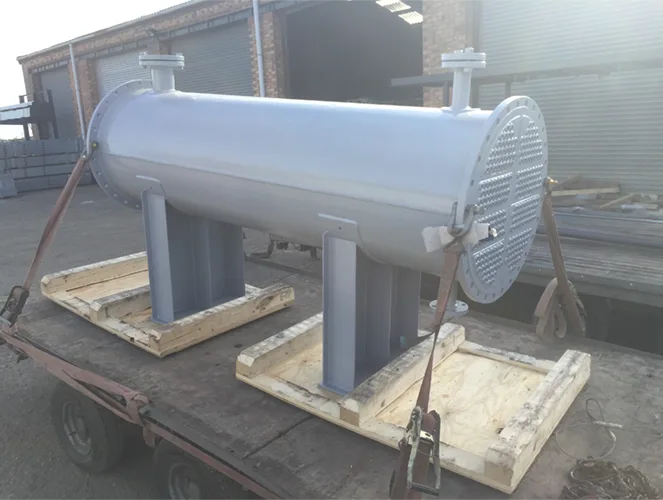

Soda blasting is a gentle yet effective surface-cleaning technique used across engineering, restoration, metal fabrication, automotive work, and building conservation. It is designed to remove contaminants without damaging the underlying material, making it ideal for delicate surfaces where stronger abrasive methods might cause harm. Unlike shot blasting, which uses metallic abrasives, soda blasting uses sodium bicarbonate, a much softer medium that cleans without creating a deep impact profile.
Although soda blasting is not as aggressive as methods used for heavy rust removal, it is highly valued for its precision and its ability to clean surfaces without altering their structure. This makes it a suitable option for restoration projects, detailed metalwork, and sensitive materials. This guide explains how soda blasting works, its benefits, and the situations where it is the most suitable surface-preparation method.
What Is Soda Blasting?
Soda blasting is a cleaning and surface-preparation process that uses sodium bicarbonate (baking soda) as the blasting media. The bicarbonate particles are propelled at the surface using compressed air, removing contaminants such as dirt, grease, paint, and light corrosion. Because the media is soft, it cleans the surface without causing dents, scratches, or distortion.
Before contrasting soda blasting with other methods, it is helpful to understand why the softness of sodium bicarbonate matters. Many surfaces cannot withstand the force of shot blasting or sand blasting, which can remove too much material or cause permanent damage. Soda blasting provides an alternative that is safe for delicate or detailed items, making it popular in industries where preservation is crucial.
Soda blasting is classified as a non-destructive cleaning method because it removes unwanted layers without affecting the substrate. This makes it suitable for materials beyond metal, including wood, plastic, masonry, and glass.
How Soda Blasting Works
Soda blasting is a straightforward process, but the results depend on selecting the correct equipment and maintaining control during application. The aim is to deliver enough force to remove contaminants while preserving the surface beneath.
Before looking at specific steps, it is important to understand that soda blasting does not create a surface profile. This distinguishes it from shot blasting and means soda blasting is best used for cleaning rather than preparing metal for strong mechanical bonding. If a future coating requires adhesion, an additional preparation method may be needed.
The soda blasting process typically includes three stages:
1. Cleaning and Assessment
Surface preparation begins with a general clean to remove loose debris. This ensures the blasting media can work directly on the contaminants. The operator inspects the item to determine the level of cleaning required and whether any areas need extra attention.
2. Blasting Application
A specialised blasting machine propels sodium bicarbonate particles at the surface using compressed air. The soft crystals shatter on impact, lifting dirt, grease, and coatings without damaging the underlying structure. This gentle action is what makes soda blasting suitable for sensitive materials.
3. Rinsing and Neutralising
After blasting, the surface is rinsed to remove residual bicarbonate. A neutralising solution may be applied if the item is being prepared for additional finishing. Once the surface is clean, it can be dried and inspected.
Benefits of Soda Blasting
Soda blasting offers several advantages, especially when working with surfaces that cannot withstand harsh abrasive methods. It is a targeted, controlled technique that preserves material integrity while still achieving effective cleaning results.
Before listing the benefits, it is helpful to highlight that soda blasting is not a replacement for heavier abrasive methods. Instead, it fills a gap where precision and safety are more important than deep surface profiling. It is frequently chosen for restoration work, automotive cleaning, and items requiring careful handling.
Soda blasting provides benefits such as:
- Gentle cleaning action
- No surface damage or warping
- Safe for a wide range of materials
- Environmentally friendly media
- Reduced need for chemical cleaners
Soda Blasting vs Shot Blasting
Shot blasting and soda blasting are very different processes, each designed for specific tasks. Shot blasting is aggressive, fast, and ideal for removing rust or preparing steel for strong coating adhesion. Soda blasting is softer and used for cleaning rather than profiling.
Before comparing the two, it is useful to consider how surface hardness influences the choice of blasting method. Stronger metal-based abrasives clean faster but may remove too much material on delicate items. Soda blasting provides precision and safety where this level of force is unnecessary or potentially damaging.
The main differences between soda blasting and shot blasting include:
- Soda blasting uses a soft, non-abrasive media
- Shot blasting uses hard metallic abrasives
- Soda blasting cleans without profiling
- Shot blasting removes rust and creates texture
- Soda blasting suits delicate materials
- Shot blasting suits heavy steelwork
Where Is Soda Blasting Most Useful?
Soda blasting is suitable for many environments due to its gentle cleaning ability. It is commonly used in automotive restoration, heritage conservation, food-processing equipment cleaning, and delicate metal fabrication projects. Its versatility comes from its ability to remove contaminants without altering the material being cleaned.
Before reviewing specific applications, it is important to understand that soda blasting is chosen whenever precision is more important than strong surface abrasion. If the goal is to clean without removing structural material, soda blasting is often the safest option.
Soda blasting is ideal for:
- Car body panels
- Aluminium components
- Decorative metal items
- Engine parts
- Masonry cleanin
- Graffiti removal
- Timber restoration
- Heritage surfaces
Is Soda Blasting Suitable for Preparing Metal for Coating?
Soda blasting removes contaminants effectively, but it does not produce the surface profile required for strong coating adhesion. For finishes such as powder coating, galvanising, or high-performance paint systems, additional preparation may be needed.
Understanding this limitation helps ensure coatings perform correctly. Soda blasting is excellent for cleaning and degreasing, but when a textured surface is required for mechanical bonding, shot blasting or other abrasive methods remain the preferred choice.
Soda blasting can still form part of a larger preparation process by cleaning the surface before another abrasive treatment is applied.
Environmental and Safety Considerations
Sodium bicarbonate is non-toxic and water-soluble, making soda blasting a more environmentally sensitive approach than many chemical cleaners or traditional paint-stripping methods. It produces less dust than sand blasting, and the media is easier to clean up after use.
Another benefit is its non-sparking nature. This makes soda blasting safer in environments where flammable materials may be present, adding an extra layer of protection for certain industrial applications.
Despite these advantages, proper safety equipment is still recommended to protect the operator from airborne particles during the blasting process.
Why Soda Blasting Remains a Trusted Method for Delicate Cleaning
Soda blasting is one of the most reliable methods for cleaning delicate or detailed surfaces without causing damage. Its gentle action, versatile applications, and environmentally friendly profile make it a strong choice for restoration projects, sensitive metals, and components requiring precise handling. While it is not a replacement for shot blasting when heavy corrosion or surface profiling is needed, soda blasting fills an essential role in the preparation and cleaning process.
Understanding how the method works and where it performs best helps you select the correct approach for your project. When the priority is protection and accuracy, soda blasting provides dependable results.