
Not every metal fabrication project requires a standard solution. In many cases, off-the-shelf components fall short when accuracy, fit, or integration with existing structures is critical. Bespoke metal fabrication offers a tailored approach that allows steelwork and metal components to be designed specifically around the requirements of a project.
This article explains when bespoke metal fabrication is the right choice and why it is often specified for projects where precision and compatibility matter.
What bespoke metal fabrication means in practice
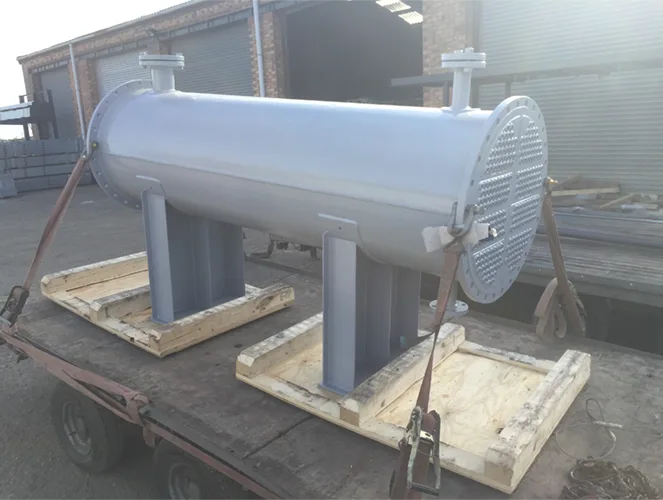
Bespoke metal fabrication involves designing and manufacturing metal components to exact specifications rather than adapting standard products. Dimensions, connection points, tolerances, and finishes are all defined around the project rather than the other way round.
This approach is commonly used where metalwork must integrate with existing buildings, structural elements, or site constraints. This includes guard rails, steel staircases or any other vital elements. It allows fabricators to account for variations in measurements, access limitations, and design requirements from the outset.
When standard metal components are not suitable
Standard metal components are designed to suit general applications. While this works for some projects, it can create challenges where accuracy or compatibility is required.
Bespoke fabrication is often the better option when:
- Dimensions do not align with standard sizes
- The metalwork must fit around existing structures
- Installation tolerances are tight
- Visual consistency is important
- Structural or safety requirements are specific to the site
In these situations, modifying standard components can introduce delays, increased labour, and compromised performance.
Projects that benefit most from bespoke fabrication
Certain types of projects consistently benefit from a bespoke approach. These include:
Building refurbishments
Older buildings rarely match modern standard dimensions. Bespoke fabrication allows new metalwork to align accurately with existing walls, floors, and openings.
Access systems and architectural metalwork
Staircases, handrails, gates, and balconies often require precise measurements to meet safety and design requirements. Bespoke fabrication ensures each component fits correctly without on-site alterations.
Commercial and industrial installations
Commercial projects often involve coordination with multiple trades. Bespoke fabrication reduces conflicts during installation by ensuring components arrive ready to fit.
How bespoke fabrication improves accuracy and fit
Accuracy is one of the main reasons bespoke fabrication is specified. Measurements are taken from site conditions rather than assumed. This allows fabricators to design components that account for uneven surfaces, structural variations, and installation constraints.
By resolving these details during the design and fabrication stage, bespoke metalwork reduces the need for adjustments on site. This improves installation efficiency and helps maintain structural alignment and safety.
Design control and project coordination
Bespoke fabrication allows greater control over design decisions. Elements such as connection methods, finishes, and tolerances can be agreed early, supporting smoother coordination with architects, engineers, and contractors.
This level of control helps reduce uncertainty during installation and supports better sequencing of works on site. It also ensures the finished metalwork aligns with both functional and visual expectations.
When bespoke fabrication adds long-term value
While bespoke fabrication may appear more involved than using standard components, it often adds long-term value. Components designed specifically for a project are more likely to perform as intended and integrate cleanly with surrounding structures.
Reduced installation issues, fewer modifications, and improved durability all contribute to better outcomes over the life of the metalwork. In many cases, the initial investment in bespoke fabrication is offset by time savings and reduced rework.
Making the right choice for your project
Choosing between standard components and bespoke fabrication depends on project requirements rather than size alone. Where accuracy, compatibility, and performance are important, bespoke metal fabrication provides a practical and controlled solution.
Discussing project requirements early with a fabricator helps determine whether a bespoke approach will deliver better results. Clear information, accurate measurements, and defined objectives allow the fabrication process to be aligned with the needs of the project from the start.